How Can Businesses Reduce Employee Attrition Through Better Workplace Practices?
Why do capable employees leave even when salaries and benefits appear competitive? For many organizations, the answer goes beyond compensation. Employees may leave because they see limited career growth, inconsistent management, excessive workloads, weak communication, or little recognition for their contributions. To Reduce Employee Attrition, businesses need to understand why people leave and create workplace conditions that give employees practical reasons to stay.The most effective approach combines meaningful career development, supportive leadership, manageable workloads, recognition, transparent communication, and regular opportunities to understand employee concerns.
What Are the Main Reasons Employees Leave?
Employee turnover rarely comes from one isolated problem. Different employees may leave for completely different reasons, making it important for businesses to Reduce Employee Attrition by examining patterns rather than relying on assumptions.Common causes include:
- Limited opportunities for advancement
- Poor relationships with managers
- Unclear responsibilities
- Excessive or uneven workloads
- Lack of recognition
- Inadequate training
- Weak communication
- Inflexible working arrangements
- Limited connection with organizational goals
Understanding these factors gives HR teams a stronger foundation for improving retention.
How Can Businesses Identify Early Signs of Turnover?
Preventing unnecessary turnover starts before an employee submits a resignation. Managers should pay attention to changes in behavior, engagement, performance, and participation.
Potential warning signs include:
- A noticeable decline in participation.
- Increasing absenteeism or disengagement.
- Reduced interest in development opportunities.
- Frequent complaints about workload or management.
- Employees becoming less involved in team discussions.
- High turnover within a particular department or role.
These indicators do not automatically mean someone intends to leave. However, they can signal that a conversation or workplace review is necessary.
Why Does Employee Feedback Matter for Retention?
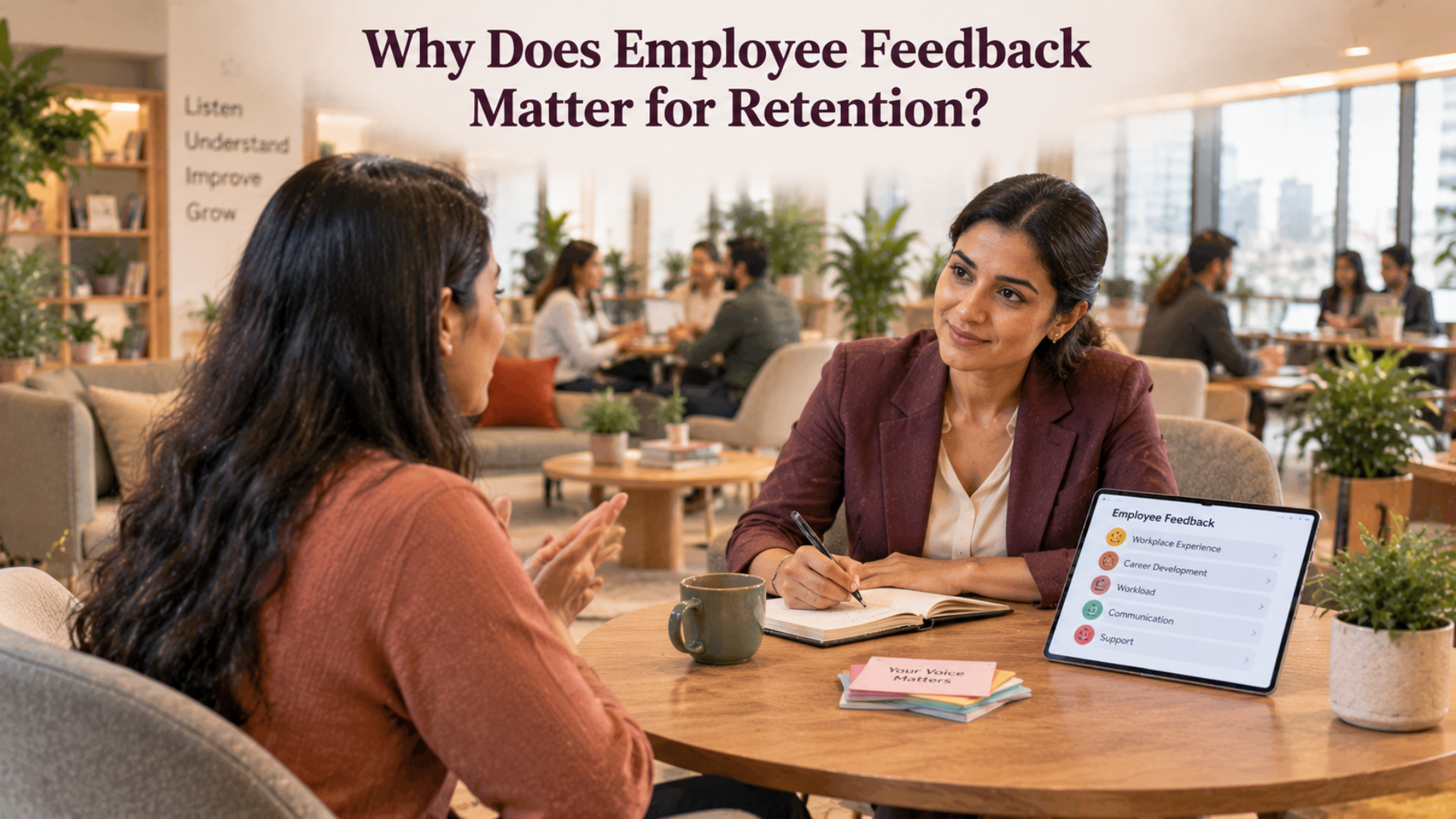
Organizations cannot improve the employee experience effectively if they do not understand what employees actually encounter during their working day. Regular employee feedback creates a direct channel for identifying frustrations, improving processes, and recognizing areas where leadership may need to act.Feedback can be collected through:
- Short employee surveys
- One-to-one conversations
- Stay interviews
- Team discussions
- Anonymous suggestion channels
- Periodic engagement assessments
The important part is not simply collecting responses. Employees are more likely to participate when they see that their input leads to visible improvements.For example, if several employees report that approval processes are slowing their work, management can investigate the bottleneck rather than treating the feedback as a general satisfaction issue.
How Can Career Development Encourage Employees to Stay?
Employees are more likely to consider staying when they can see a realistic future within the organization. Career development does not always require an immediate promotion. It can involve new responsibilities, mentoring, specialized training, cross-functional assignments, or opportunities to lead projects.A practical development strategy can include:
Define clear career pathways
Employees should understand what skills and experience are associated with future roles.
Provide relevant learning opportunities
Training should connect with actual responsibilities and future business requirements rather than becoming a generic annual exercise.
Encourage internal mobility
When suitable positions become available, existing employees should have opportunities to explore them.
Recognize developing skills
Managers should acknowledge progress and provide constructive guidance instead of focusing only on final outcomes.Career visibility can make an organization feel like a place to build a professional future rather than simply a temporary job.
How Can Managers Create a More Supportive Employee Experience?

Managers have a major influence on everyday workplace satisfaction. Employees may tolerate demanding periods when they feel that their manager communicates clearly, treats people fairly, and provides appropriate support.Effective managers can strengthen retention by:
- Setting realistic expectations
- Explaining priorities clearly
- Giving useful recognition
- Addressing conflicts promptly
- Supporting professional development
- Allowing employees reasonable autonomy
- Checking workloads before assigning additional responsibilities
Consistency is particularly important. Employees should not have to guess whether expectations, recognition, or opportunities will depend on the manager they happen to work with.
How Can Workload Problems Influence Employee Retention?
Even highly engaged employees can become frustrated when workloads remain unrealistic for extended periods. Persistent pressure can reduce job satisfaction, affect performance, and eventually encourage employees to search for alternatives.Businesses should examine whether work is distributed according to actual capacity rather than simply dividing tasks by headcount.Useful actions include:
- Reviewing workloads at regular intervals
- Identifying recurring overtime
- Removing unnecessary administrative work
- Automating repetitive processes
- Adjusting deadlines when priorities change
- Hiring additional support when demand consistently exceeds capacity
The goal is not to eliminate demanding periods. Instead, organizations should prevent temporary pressure from becoming the permanent employee experience.
How Can Field Teams Benefit From Better Workforce Management?
Retention challenges can become particularly complex when employees spend much of their time outside traditional offices. Sales representatives, service professionals, technicians, delivery teams, and other mobile workers may experience different pressures from office-based employees.Effective field force management can help organizations understand schedules, assignments, travel requirements, territory demands, and operational challenges affecting these employees.Better coordination can help by:
- Assigning work according to location and availability
- Reducing unnecessary travel
- Improving communication between field teams and managers
- Making schedules more predictable
- Identifying overloaded territories
- Providing faster access to operational information
When field employees have clearer schedules and better support, organizations can address practical frustrations that might otherwise contribute to turnover.
How Can Recognition Strengthen Employee Retention?
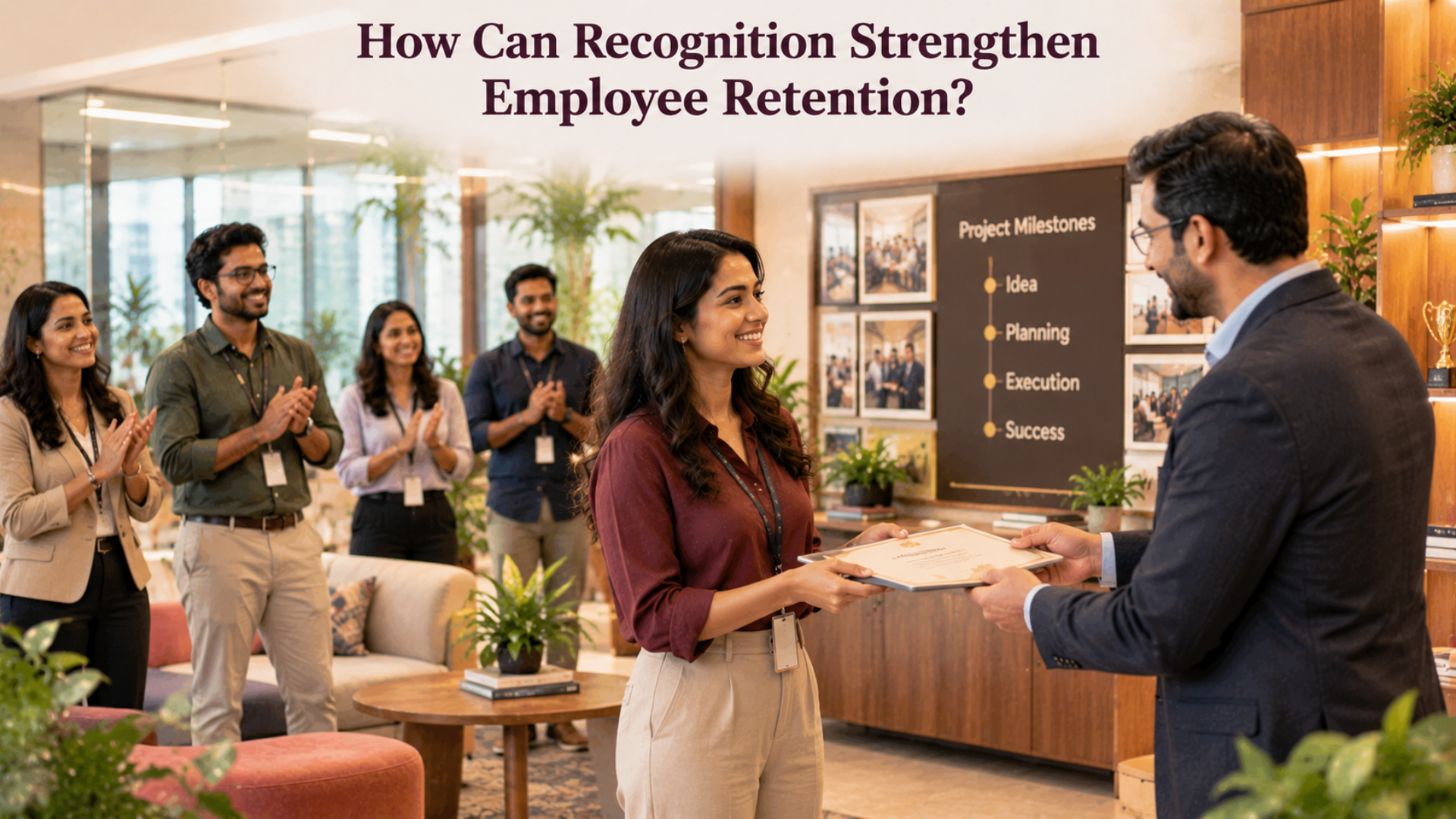
Recognition does not need to be expensive to be effective. Employees often value timely acknowledgment of meaningful contributions, particularly when their work is difficult to measure through simple output numbers.Recognition can take several forms:
- Public appreciation for significant contributions
- Private acknowledgment from managers
- Opportunities to present successful work
- Additional responsibilities that demonstrate trust
- Career development opportunities
- Team-based recognition programs
The strongest recognition is specific. Instead of offering generic praise, managers should explain what the employee accomplished and why it mattered.
How Can Businesses Reduce Employee Attrition Over the Long Term?
Long-term retention requires an ongoing process rather than a single HR initiative. Organizations should regularly examine turnover patterns, employee concerns, management practices, workload conditions, career opportunities, and workplace culture.A sustainable retention program can follow five steps:
- Measure: Identify where and why turnover occurs.
- Listen: Gather employee perspectives through structured conversations.
- Prioritize: Focus on the problems affecting retention most significantly.
- Act: Introduce practical improvements with clear ownership.
- Review: Measure whether those changes actually improve employee experience.
This creates a continuous feedback loop instead of treating retention as a one-time project.
You can also watch: The Appraisal Lie: How to Fix Performance Management | Ep. 5

Summary
Employee retention improves when organizations address the reasons people consider leaving rather than focusing only on resignation numbers. Clear career opportunities, supportive managers, manageable workloads, meaningful recognition, effective communication, and responsive workplace practices can help Reduce Employee Attrition and create stronger reasons for employees to remain. Sustainable retention comes from consistently improving the employee experience.
FAQ
What is the biggest cause of employee turnover?
There is no single cause for every organization. Common factors include poor management, limited career growth, excessive workloads, inadequate recognition, and weak workplace communication.
How can HR identify employees at risk of leaving?
HR can examine turnover patterns, engagement data, absenteeism, workload concerns, employee conversations, and changes in participation or performance.
Does salary affect employee retention?
Yes, compensation matters, particularly when employees believe their pay is unfair or uncompetitive. However, compensation alone may not solve problems involving management, career growth, workload, or workplace culture.
Can employee surveys reduce turnover?
Surveys can help identify concerns early, but their value depends on whether management responds to the findings and communicates the resulting improvements.
How often should businesses review retention strategies?
Retention should be reviewed continuously, with more detailed assessments conducted periodically to identify changing employee expectations and emerging turnover patterns.
